Diagnostics
Vehicle Diagnostics
Explore vehicle diagnostic services designed to help identify potential mechanical or electrical issues.
Filter diagnostics, brakes, engine, suspension, steering, maintenance, electrical, cooling, and wheel services. Search matches the words on each card.
No services match that search.
Diagnostics
Explore vehicle diagnostic services designed to help identify potential mechanical or electrical issues.
Engine
Learn more about engine diagnostics and related inspection services.
Suspension
Explore suspension inspection services for ride and handling questions.
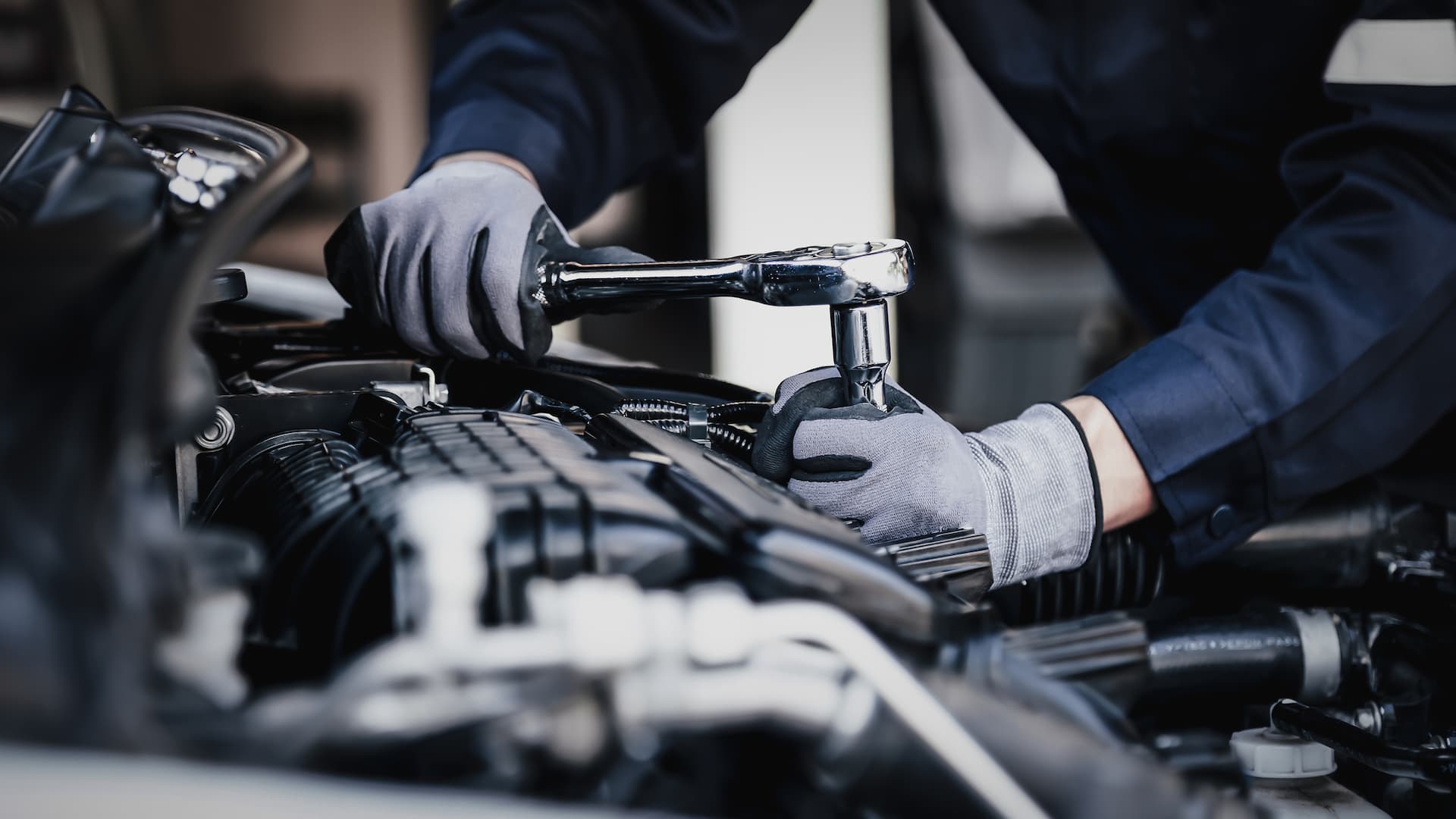
Steering
Learn more about steering inspection and related vehicle service.
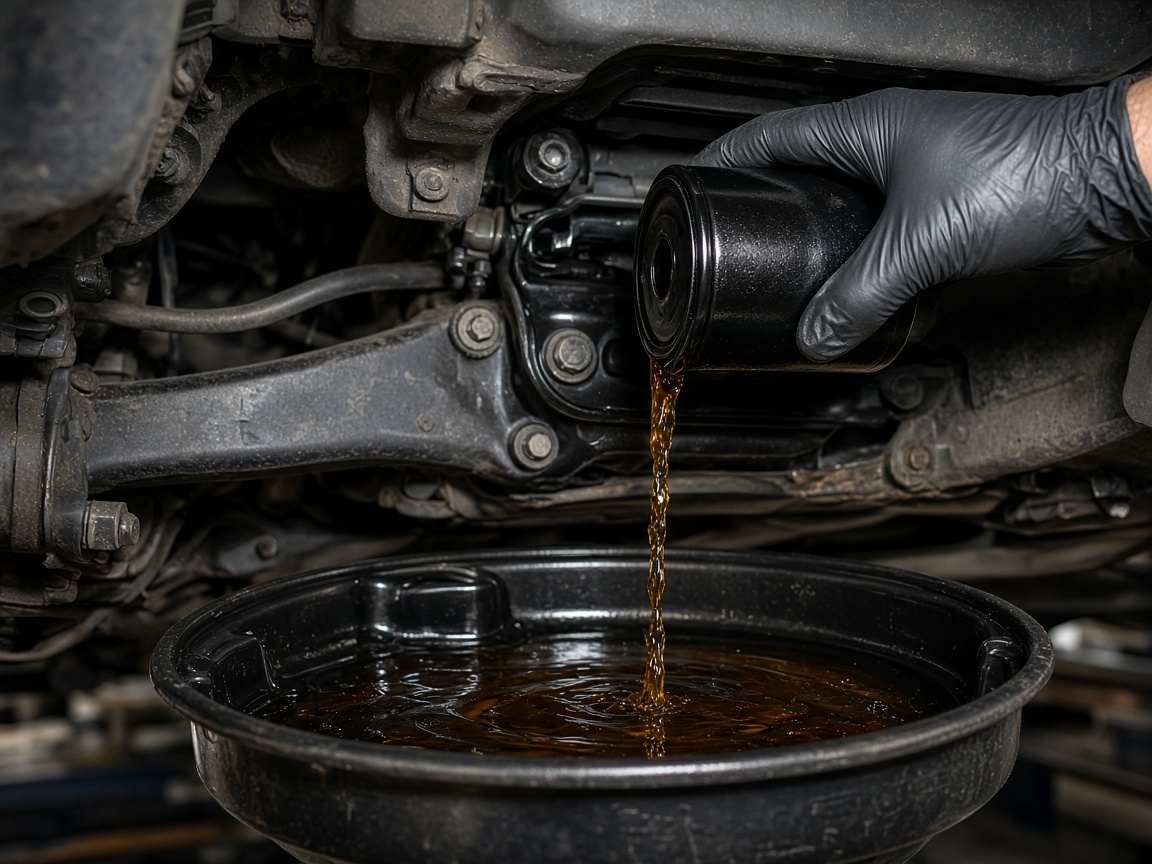
Maintenance
Explore oil and filter service as part of routine vehicle maintenance.
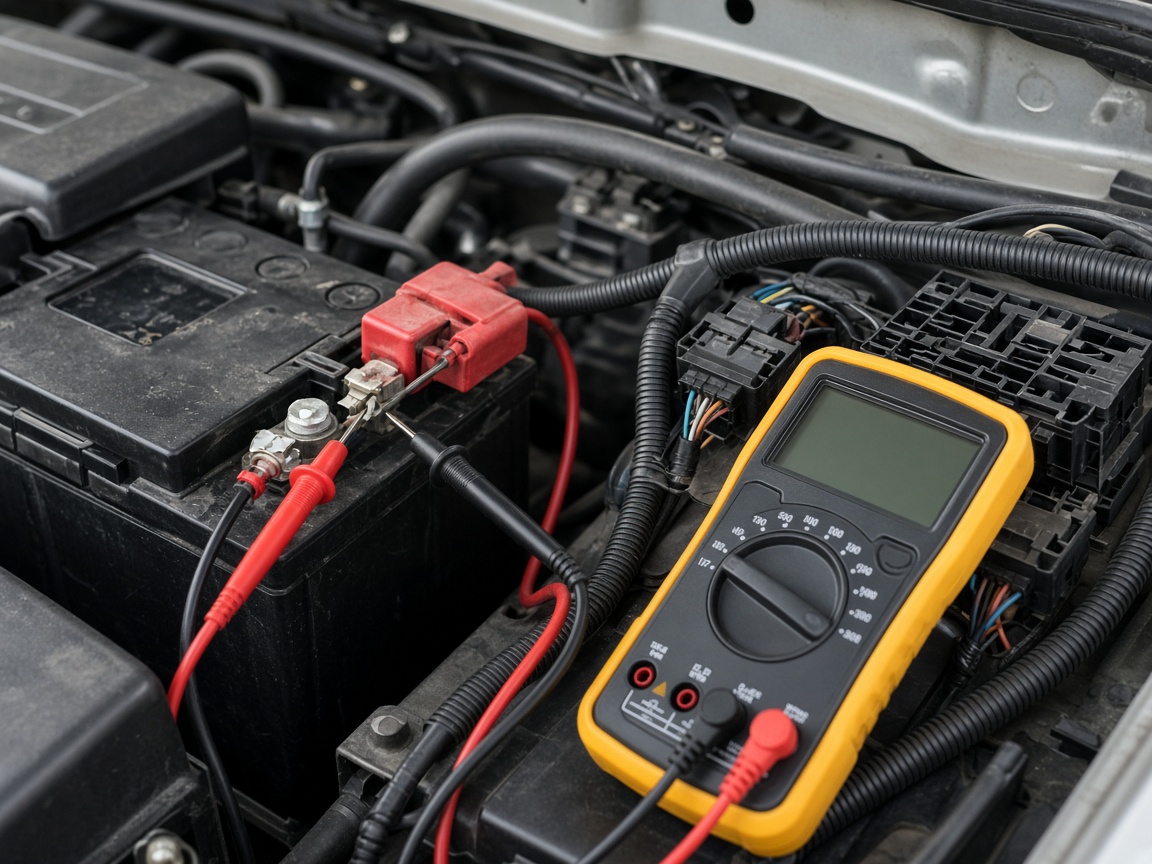
Electrical
Explore diagnostic services for vehicle electrical systems.

Electrical
Learn more about battery checks and related electrical service.
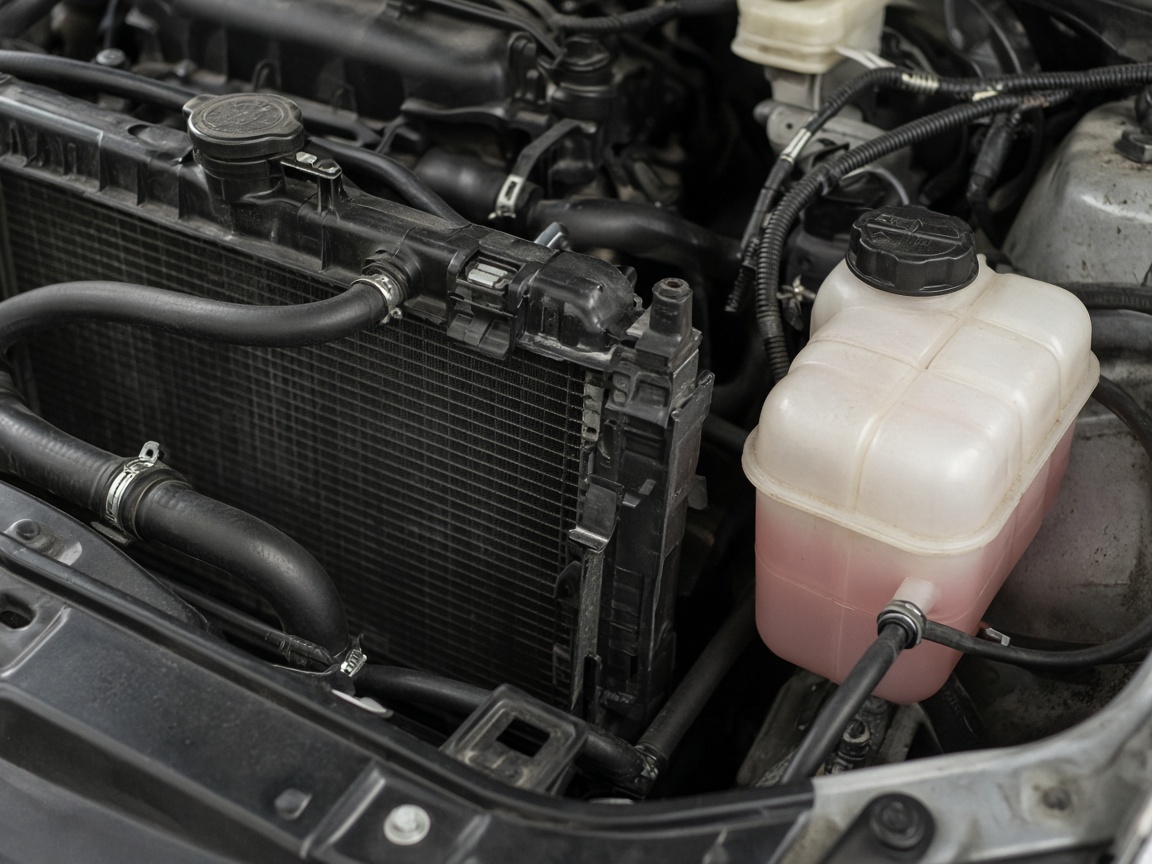
Cooling
Explore cooling system service for radiator, hose, and temperature questions.


Choose a service and open its details if you want to ask about it later. Cards do not show a price because this website does not sell repairs through a checkout. Search matches the words already printed on each card. Sort changes the order of names. There is no price to sort by.
Maintenance ServicesEvery card on this page is a service category. The picture is a workshop scene, the heading is the type of work, and the short text says what the category is about. “View Service”, “Learn More”, and “Service Details” open the matching page. The button does not add a price, a time slot, or a confirmed booking.
The filter list covers diagnostics, engine, brakes, suspension, steering, maintenance, electrical, cooling, and wheels. Choosing one type hides the others. Choosing “All categories” brings them back. Search looks at the name and the description already printed on the card. If nothing matches, the page says so, and you can clear the search. Sort by featured order, by name A to Z, by name Z to A, or by service category.
Diagnostics is the broad look for a fault. Engine diagnostics narrows that look to the engine. Brake service is about the braking system. Suspension and steering are separate because a ride complaint and a steering complaint are not always the same question. Oil and filter service is routine maintenance. Electrical diagnostics and battery service sit together in the electrical filter because a battery check is often part of an electrical question. Cooling system service covers radiator, hose, and temperature topics. Tire and wheel service covers wheels and tires.
A vehicle make is not a filter of its own. If you want to mention the make and model, write them in the request. Listing a make here would not mean Trusted Garage is an authorized workshop for that manufacturer.
When a card is not enough, open service details and confirm the service name. The form on that page, like the contact form, keeps a local copy of the request and should open an email draft to [email protected]. You send that draft yourself. The page does not confirm that the message was delivered and does not confirm an appointment. You can also call +36 20 838 2111 or write from the workshop address at Összekötő u. 1, 1173 Budapest, Hungary. Ask for information the card does not state, such as what to mention about the symptom. Do not send payment details. The website does not complete a purchase and does not display a price.
If you are still deciding which category fits, the car care guides discuss warning lights, brakes, oil, batteries, suspension, and seasonal checks before you write. Maintenance repeats three service paths in a shorter layout if you want to compare preventive maintenance, oil and filters, and inspection without the filter.
The services page is a catalog of categories, not a price list and not a booking calendar. Each card names a service, gives a short description, and links onward. Some cards open a dedicated page, such as diagnostics, brake service, or maintenance. Others open the service details page with the category already chosen, so the form starts on the topic you picked. Either path is a way to read more and then ask a question. Neither path places an order.
The search box matches the words written on the cards. If you type a symptom word that is not on a card, the list may become empty. That empty state means the search did not find the word. It does not mean the workshop cannot discuss the topic. Clear the search or try the category name: diagnostics, engine, brakes, suspension, steering, maintenance, electrical, cooling, or wheels. The filter control limits the grid to one of those types. The sort control changes order: the featured order, A to Z, Z to A, or grouping by category. Sorting never ranks by cost, because cost is not on the card.
A card that says “Ask about this service” is pointing you to the request, the phone, or the email. It is not a price badge and it is not a statement that the service is free. Trusted Garage does not display prices on this website. A question about what a service includes can go in the message. A question about cost can be asked of the workshop by phone at +36 20 838 2111, by email at [email protected], or in the form. The page you are reading will not print a figure in response.
Vehicle diagnostics is the broad category for finding the area of a problem. It belongs on its own page because people often arrive with a warning light or a change in how the car drives and do not yet have a system name. The dedicated diagnostics page explains what that category is for and what it does not conclude. Engine diagnostics is narrower. It is the category for checks aimed at how the engine is running: hesitation, rough running, a light that the driver associates with the engine, or a question about engine checks before other work is discussed.
The two cards exist so you can choose the closer label. If you are unsure, choose vehicle diagnostics and describe the symptom. A guessed part name is less useful than a plain account of what the car did. The catalog does not turn either card into a remote diagnosis. Opening the card does not read your car, and the website has no connection to the vehicle.
Brake service has its own page because it is a common request and because the braking system deserves a clear description of its own. The card covers inspection and maintenance of that system. It does not list a brand of pad or disc, it does not state a labor time, and it does not say that a noise you heard is a particular fault. Read the brake service page, then use the form if you want to ask about a car. Mention the pedal, any pull, any noise, and any warning light. Those details are observations, not a diagnosis.
Suspension service and steering service are separate cards because the systems are separate, even when a driver feels both on a poor road. Suspension questions often involve a clunk, a squeak, a corner of the car, or a change after a bump. Steering questions often involve effort, play, or a feeling in the wheel that changes with speed. Tire and wheel service is a third card, because a wheel can cause a vibration without either of the other systems being the subject of the request.
You can open service details from either card. The category field should match the card you chose. If the car has more than one symptom, say so in the message rather than submitting three guesses as if they were confirmed faults. The workshop can be asked which category fits. This catalog only gives you the labels.
Oil and filter service, preventive maintenance, and vehicle inspection sit in the maintenance family. The maintenance page gathers that family in one reading. Oil and filter service is the named job. Preventive maintenance is the broader habit of looking after items before they become a breakdown. Vehicle inspection is a general look rather than a promise of a certificate. The site does not publish an interval in kilometres or months. If you know the interval from the material that came with the car, you may repeat it in your message as information you already have. The card itself does not supply a number.
A maintenance request can be calm and specific. Name the service, name the vehicle, and say whether you are asking for that service or asking what to mention before you arrange it. A preferred date is optional. It is a note, not a reservation. Opening hours are not published on the catalog, so do not infer a time from the fact that a date field exists.
Electrical diagnostics covers faults in the electrical system that are not limited to the battery. Battery service covers checks of the battery. Cooling system service covers the radiator, hoses, coolant reservoir, and temperature questions. These three are easy to blur because a no-start can be a battery story, an electrical story, or something else, and a temperature warning can arrive as a light, which makes it look like a diagnostics story. Pick the closest card and explain the uncertainty. The form allows a message long enough to do that.
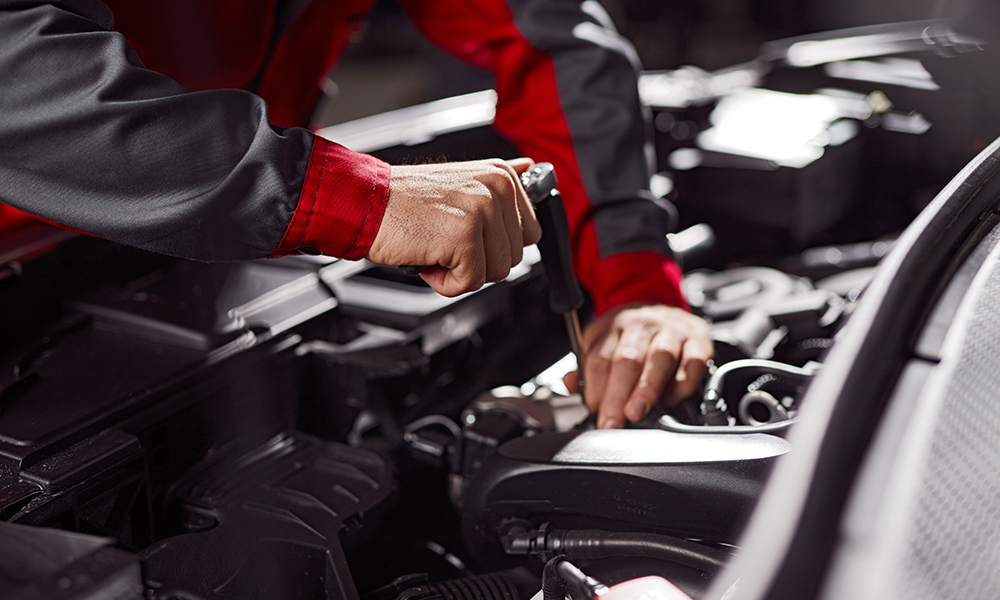
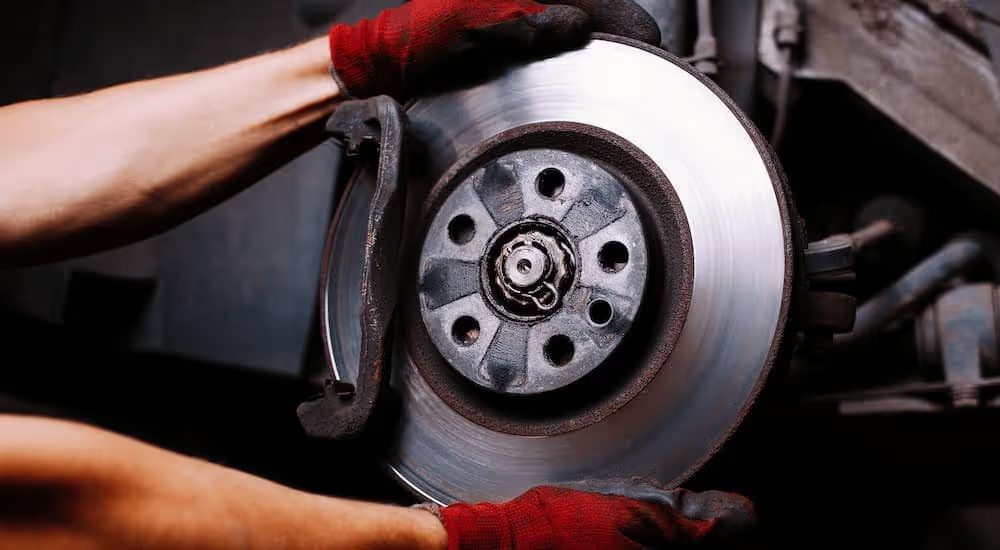
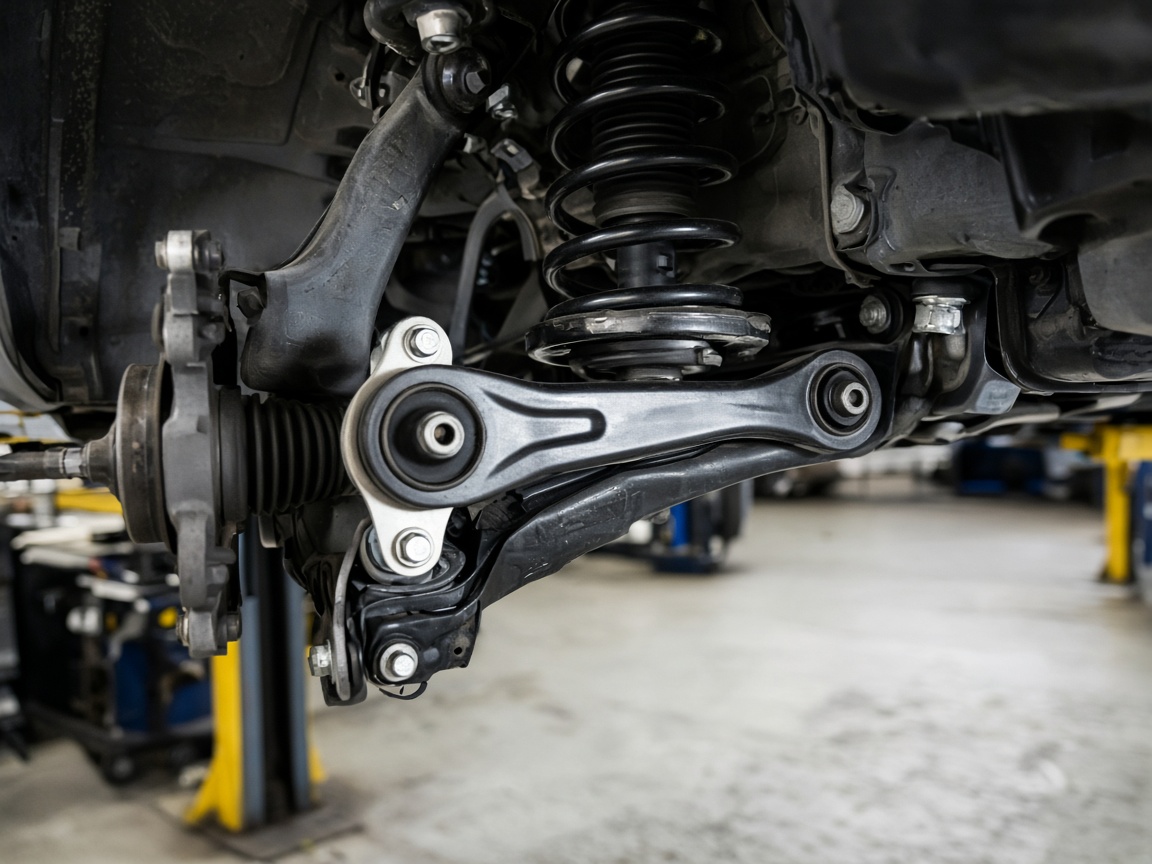
Do not include photographs of documents, card numbers, or passwords in an attempt to speed the question up. The catalog is not a payment page. The photographs on the cards are workshop scenes of the relevant components. They illustrate the category. They are not a condition report for any particular car, and they are not pictures of the Trusted Garage premises or staff.
When a card is not enough, the next page repeats the service name and explains the request. Submit only when the description matches what you want to ask. The form keeps a local copy and should open an email draft to [email protected]. You send the draft. You may instead call +36 20 838 2111 or visit Összekötő u. 1, 1173 Budapest, Hungary. None of those actions is confirmed by the catalog page itself. The page does not tell you that a message arrived, that a part is available, or that a time is held.
If the grid is empty, check the search box and the filter. A filter combined with a search can hide every card even though the catalog is still there. Reset both controls and the cards return. The empty message is a filter result, not a statement that Trusted Garage has stopped offering the services named on this page.
Use the catalog as a map. Diagnostics, brakes, and maintenance have longer pages. The other categories share the service details page so the menu stays readable and the form stays the same. The privacy policy, the cookie policy, and the terms describe what the form does with the words you type. Read them if you are about to include a phone number on a shared computer.
After you understand the controls, use them in combination with a purpose. Filter to brakes if you already know that is the system, then open the brake service page rather than stopping on the card. Filter to maintenance if you are planning oil and filter service or a general inspection, then read the maintenance page before you write. Filter to diagnostics if the car has changed and you do not have a system name yet. The filter is a reading aid. It does not hide services from the workshop. A category that is filtered out of the grid is still a category you can ask about in the message.
Search is literal. It looks at the words on the cards, not at a dictionary of symptoms. “Squeal” may not find brake service if the card does not contain that word. “Brake” will. “Battery” will find the battery card. “No start” may not. When search fails, reset it and browse. The empty state is honest: nothing matched. It is not an error in the car and it is not a refusal of service. Sorting from A to Z is useful when you remember a name and want to scan. Sorting does not express a recommendation and does not express a price order.
When two cards seem possible, read both short descriptions and pick the closer one, then use the message to mention the other. Suspension and steering, battery and electrical, cooling and diagnostics, tires and brakes: these pairs are the usual overlaps. The catalog separates them so the labels stay clear. Your car does not have to respect the boundary. Say what you felt. Let the selected service be the starting label, not a verdict. Then submit on the service details page or the contact page, send the draft to [email protected], or call +36 20 838 2111. The workshop address remains Összekötő u. 1, 1173 Budapest, Hungary.