Car Care
Car Care
General notes on vehicle maintenance. These pages are written by Trusted Garage. They are not a diagnosis and not a manufacturer service instruction.
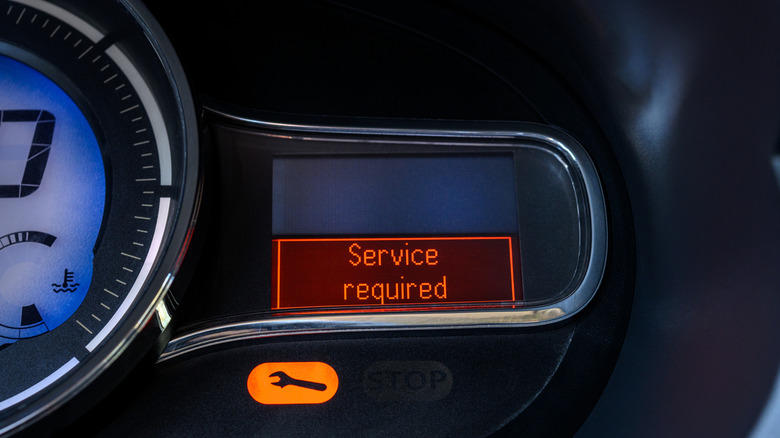
Start with the symptom, not a conclusion
A car care note can begin with something you can see or hear: a warning light, a change in braking, or a question about oil. The notes below explain those topics in ordinary language. They do not inspect your vehicle. If the car you drive came with its own maintenance information, that information is the one to follow for intervals and specifications.
Pick a topic
Brakes, oil, battery, or a warning light.
Read only what is written
The note is general. It does not name a fault.
Ask if needed
Use the contact form for a specific vehicle question.
A longer reading of the same advice
The accordion above is the short version of each topic. This section says the same things with more of the reasoning, so you can use the page without treating a single sentence as a rule for your car. None of it confirms that a repair is required, that a part is available, or that an appointment is open. These notes are general information. They are not a diagnosis of a particular vehicle.
Routine care without a schedule invented here
Drivers use maintenance to keep a vehicle in ordinary condition. Oil and filters, brakes, tires, cooling, and the battery are the topics people ask about most often. This website does not publish a mileage interval, because that figure depends on the vehicle and is not established here. If you know the interval from the information that came with the car, you can mention it in a request. Do not treat a blank on this page as a number you can fill in.
Brakes, suspension, and tires
A change in how the car stops is a reason to ask about brake service. A change in how it rides is a reason to ask about suspension or steering. Uneven tire wear can sit with either wheels or suspension. The categories are separate so the question can be specific. This page will not tell you which part is worn. That is what an inspection is for.
Lights, oil, batteries, and seasons
A warning light points at a system. It does not finish the diagnosis. Oil and filter service is a routine category, not a claim that every engine needs the same oil. Slow cranking can be a battery question and can also be something else in the electrical system. Hot weather raises cooling questions. Cold weather raises battery and tire questions. Seasonal notes are a prompt to look at preventive maintenance. They are not a countdown and they are not an offer.
What happens during vehicle diagnostics is information gathering: the symptom, the vehicle, and the checks that fit that question. This page cannot perform those checks. When you want to ask, use the contact form. Describe the service, the vehicle, and what you noticed. The form saves the note in this browser. It does not confirm an appointment, and it does not display a price.
How to use the car care notes
The car care page is a set of short guides in an accordion. Each guide opens a topic that drivers ask about in ordinary language: maintenance in general, brakes, the battery, warning lights, oil, tires, suspension, and seasonal care. The guides are reading material. They are not a service procedure, not a diagnosis, and not a schedule with numbers. If a guide does not state an interval, a pressure, a measurement, or a price, that omission is deliberate. The figure is not established on this website.
Open one guide at a time. The accordion closes the previous note so the page stays readable. Nothing you expand is saved as a preference, and expanding a note does not write to local storage. Only a submitted request form does that, and the form is on the contact page and the service details page, not inside the accordion. You can move from a guide to those pages when you are ready to ask about a car.
The workshop address, if you decide the note is not enough, is Összekötő u. 1, 1173 Budapest, Hungary. The phone number is +36 20 838 2111. The email address is [email protected]. Opening hours are not published beside the guides. A guide that discusses a season is not a statement that the workshop keeps particular seasonal hours.
Maintenance as a habit, not a mileage figure
The maintenance guide says that drivers use planned care to keep a vehicle in ordinary condition, and that oil, filters, brakes, tires, cooling, and the battery are the topics people ask about most often. It also says the website does not publish a mileage interval. That second sentence is the one to remember. A forum post, a memory of a previous car, or a round number you find convenient is not a substitute for the information that belongs to the vehicle in front of you. If you have that information, you can quote it in a request and mark it as yours. The guide will not supply a replacement number.
Preventive maintenance and a general inspection are the service names that match this guide. Oil and filter service is the narrower job. The maintenance page explains the difference. Use the guide to decide which name fits the question, then open the service so the form carries the right category.
Brakes in plain language
The brake guide treats the braking system as a safety topic and points you to the brake service page for the actual service description. The sensations that belong in a message are the ones you can report without taking the car apart: noise, pull, pedal feel, vibration while slowing, the parking brake, and a warning light. The guide does not convert those words into a parts order. A grind is not automatically a disc, and a squeal is not automatically a pad. Those translations happen, if they happen at all, after an inspection, and this accordion is not an inspection.
Do not use the guide as permission to adjust a brake component. The text is there so you can recognise the category and contact the workshop. If the car’s braking feels unsafe, the practical decision about whether to drive is yours at that moment. The website cannot see the car and will not tell you that it is safe.
Battery and electrical symptoms
The battery guide is about starting, dim lights, and the difference between a battery question and a wider electrical question. A car that cranks slowly in the morning, headlights that dim at idle, or a battery warning light are reasons to ask about battery service. A window, a lock, or an accessory that fails while the car still starts may belong with electrical diagnostics instead. The guide keeps both labels available because drivers often meet the problem before they know the boundary.
The guide does not publish a voltage, a cold-cranking figure, or a replacement age. It does not name a battery brand. A photograph of a handheld tester beside a battery shows the kind of check the category refers to. It does not show a reading, and it does not show your battery. If you have already had the battery tested elsewhere, you can say so in a message as your own history. The guide does not verify that history.
Warning lights without a false decoder
The warning-light guide explains that a lamp is a signal, not a part name. It does not print a universal key to every symbol, because symbols vary and a wrong key would be worse than no key. Describe the color, the shape, and whether the lamp flashes. Pair it with what the car was doing. The diagnostics page is the service page for that kind of question. Engine diagnostics is the narrower label when you already believe the question is about how the engine runs. Cooling, brakes, and the battery remain possible homes for a light, depending on the symbol.
A light that went out again is still a fact. Mention it. A light that you cleared by disconnecting the battery is also a fact, and it is not the same as a repair. The guide does not recommend disconnecting a battery as a way to deal with a warning. It recommends describing the light and asking the workshop.
Oil, tires, suspension, and the season
The oil guide repeats the refusal to publish an interval and points at oil and filter service. The tire guide discusses wear, damage, vibration that may involve a wheel, and seasonal tire changes as topics you can ask about. It does not publish a pressure or a tread depth. The suspension guide discusses clunks, squeaks, and bumps as observations for suspension service, and it keeps steering and wheels as neighbouring categories when the feeling is not clearly a suspension noise. The seasonal guide collects hot-weather cooling questions and cold-weather starting questions without turning the calendar into a required job list.
Read the guide that matches the question you have, not all of them in the hope that one will name a part. Then use Services if you want the card, or Contact if you already know what to ask. The form should open a draft to [email protected] after you submit, and it keeps a copy in the browser. Sending the draft is your action. The accordion cannot send it, and the accordion cannot confirm an appointment.
What the notes are not
The notes are not a workshop manual, not a torque list, not a wiring diagram, and not a substitute for the instructions that belong to the vehicle. They are not reviews, not ratings, and not a claim of manufacturer approval. Trusted Garage is not an authorized dealer or an official service center. The notes do not name staff, do not count customers, and do not offer a warranty. They also do not set a cookie when you open them. The cookie policy explains the only local storage the site uses, which is the request list created after a form is submitted.
If a note conflicts with the safety of driving the car as it sits, trust the condition of the car rather than the comfort of a general paragraph. The paragraph was written to describe a category of service at a workshop in Budapest. It was not written to supervise a repair in a driveway. When you want the workshop involved, use the address, the phone, or the email, and describe the vehicle in plain sentences.
From a note to a service page
Each guide ends, in substance, at the same place: a category you can open, and a contact you can use. Maintenance notes lead to the maintenance page. Brake notes lead to brake service. Battery notes lead to battery service or electrical diagnostics. Warning-light notes lead to diagnostics. Oil notes lead to oil and filter service. Tire notes lead to tire and wheel service. Suspension notes lead to suspension service, with steering and wheels nearby. Seasonal notes lead back to cooling, battery, or tires, depending on the sentence you actually need. The accordion is a table of contents written as prose. It is not the service itself.
When you leave a guide, do not carry a number the guide refused to give. There is still no published mileage, pressure, tread depth, voltage, or labor time. There is still no price. There is still no opening hour. There is an address, Összekötő u. 1, 1173 Budapest, Hungary, a phone number, +36 20 838 2111, and an email address, [email protected]. There is a form that keeps a local copy and opens a draft you must send. Use those. If you only wanted the vocabulary, you can close the guide and stop. Expanding every panel does not create a request and does not store a list of which panels you read.
The photographs linked from the wider site show the components the guides discuss. They remain examples. A dashboard with lights on is not your dashboard. A tire on workshop equipment is not your tire. A battery tester is not a reading. Treat the guides as a way to choose words carefully, then put those words in a message about the vehicle you actually have. That is the whole path from this page to the workshop. It does not include a checkout, a review, a rating, or a claim that Trusted Garage is an official manufacturer workshop.
If two guides seem to apply, mention both symptoms in one message rather than submitting two confident diagnoses. A light plus a temperature change, or a noise plus a pull, can be one story. The form has one message field large enough for that story. The select list still needs one starting category. Pick the closer one and let the paragraph carry the rest. Then send the draft, place the call, or visit the address. The car care page cannot do those things for you, and it should not be quoted later as if it had confirmed a fault or a booking.
Closing the guides without adding numbers
You can close this page once you know which guide matched your question and which service page to open next. You do not need to extract a mileage, a pressure, a voltage, a tread depth, or a price on the way out, because the guides do not contain them. You do need the contacts if the next step is a question about your car: Összekötő u. 1, 1173 Budapest, Hungary, +36 20 838 2111, and [email protected]. The form on the contact page and the service details page will save a local copy and open a draft. You still send the draft. The guides themselves never send anything and never confirm a booking.
If you came here from a search for a repair procedure, leave with the narrower purpose the page actually serves. It teaches the names of the topics and points at the workshop categories. It does not supervise a driveway repair, and it should not be cited as permission to open a cooling system, adjust brakes, or clear a warning light by disconnecting a battery. Describe the car, choose the category, and use the published contacts. That is the ending the guides are written toward, and it does not become longer by inventing a specification they refused to print.
The guides do not become instructions
Nothing further down the page changes the status of the notes. They remain general reading about maintenance, brakes, the battery, warning lights, oil, tires, suspension, and the season. They still do not publish an interval or a measurement. They still point to the service pages and to Összekötő u. 1, 1173 Budapest, Hungary, +36 20 838 2111, and [email protected]. Use the note to choose a category. Use the contact to ask about the car. Do not use the note as a workshop manual, and do not cite it as a booking, a price, or a diagnosis.
Stop at the category
Choose the guide, then the service, then the contact. The contacts are Összekötő u. 1, 1173 Budapest, Hungary, +36 20 838 2111, and [email protected]. Do not leave this page with a number the guides never printed.
That is the whole of the car care reading.