Auto repair and vehicle maintenance
Vehicle Maintenance
& Auto Repair
Services
Explore vehicle maintenance, diagnostics and repair services for a wide range of automotive needs.
ABOUT THE WORKSHOP
About Trusted Garage
Trusted Garage provides vehicle maintenance, diagnostics and repair services. Explore the service categories and contact us for more information about your vehicle.
About UsSERVICES
Auto Services
Browse workshop categories. These cards describe kinds of vehicle service, not a confirmed booking or a priced package.
Diagnostics
Vehicle Diagnostics
Explore vehicle diagnostic services designed to help identify potential mechanical or electrical issues.
Engine
Engine Diagnostics
Explore engine diagnostic services for questions about how an engine is running.
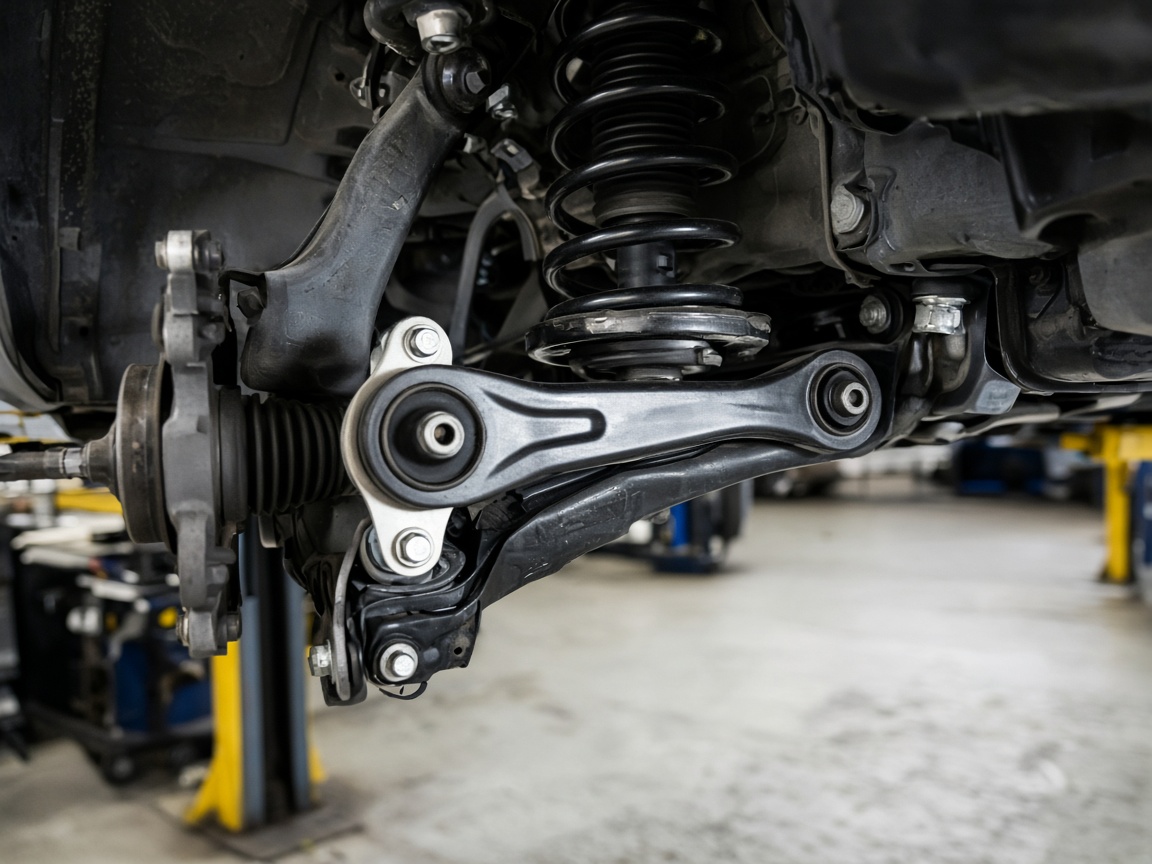
Suspension
Suspension Service
Learn more about suspension inspection and related vehicle maintenance.
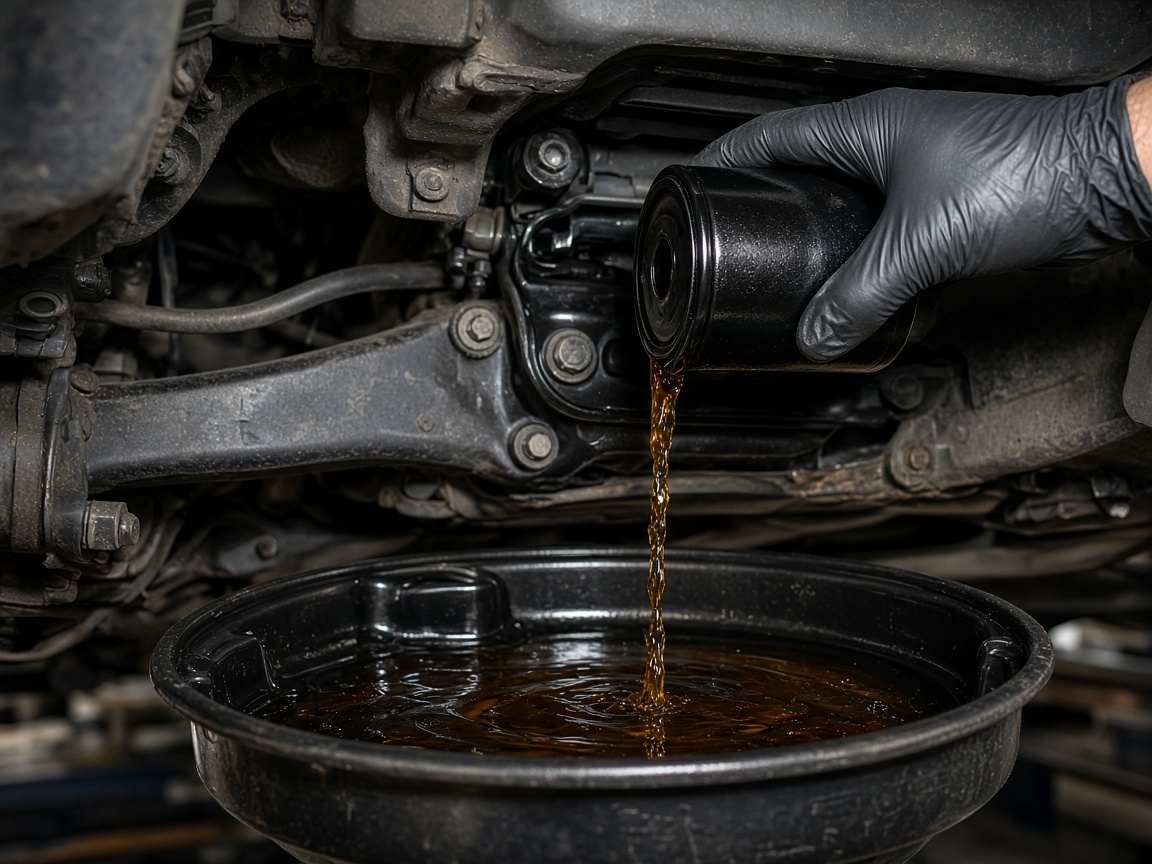
Maintenance
Oil & Filter Service
Explore maintenance services that include engine oil and filter work.
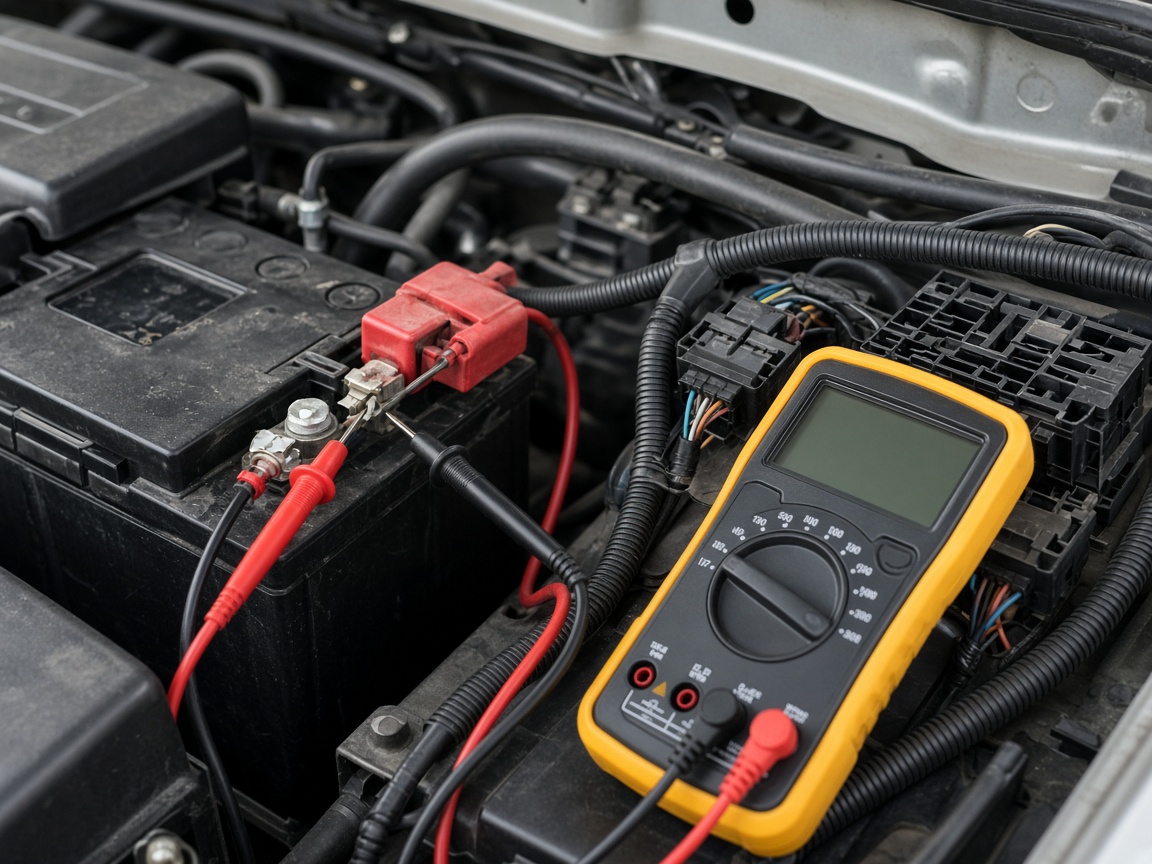
Electrical
Electrical Diagnostics
Explore diagnostic services for vehicle electrical systems.
SYSTEMS
Maintenance across vehicle systems
Service categories cover diagnostics, brakes, engine checks, suspension, steering, oil and filters, electrical systems, batteries, cooling, and wheels. Naming a system describes the kind of work you can ask about. It does not diagnose a particular vehicle, and it does not mean Trusted Garage is an authorized workshop for any manufacturer.
View Auto ServicesBrowse services
Start with diagnostics, brakes, engine checks, or maintenance and open the category that fits.
Read car care notes
Car care guides explain routine maintenance topics in general language. They are not a diagnosis.
Request information
The contact form saves a service request on this device. It does not confirm an appointment.
VEHICLE CARE
Vehicle care information
Warning lights, unusual noises, and changes in braking or steering are common reasons drivers look up a service category. The car care notes describe those topics in general terms. They do not tell you what is wrong with a specific car, and they do not replace an inspection.
Open Car Care
FAQ
Questions about vehicle service
Read which services are described, how a request is saved, and how to ask about a service. The answers also explain that this website does not show prices or confirm an appointment.
Open FAQ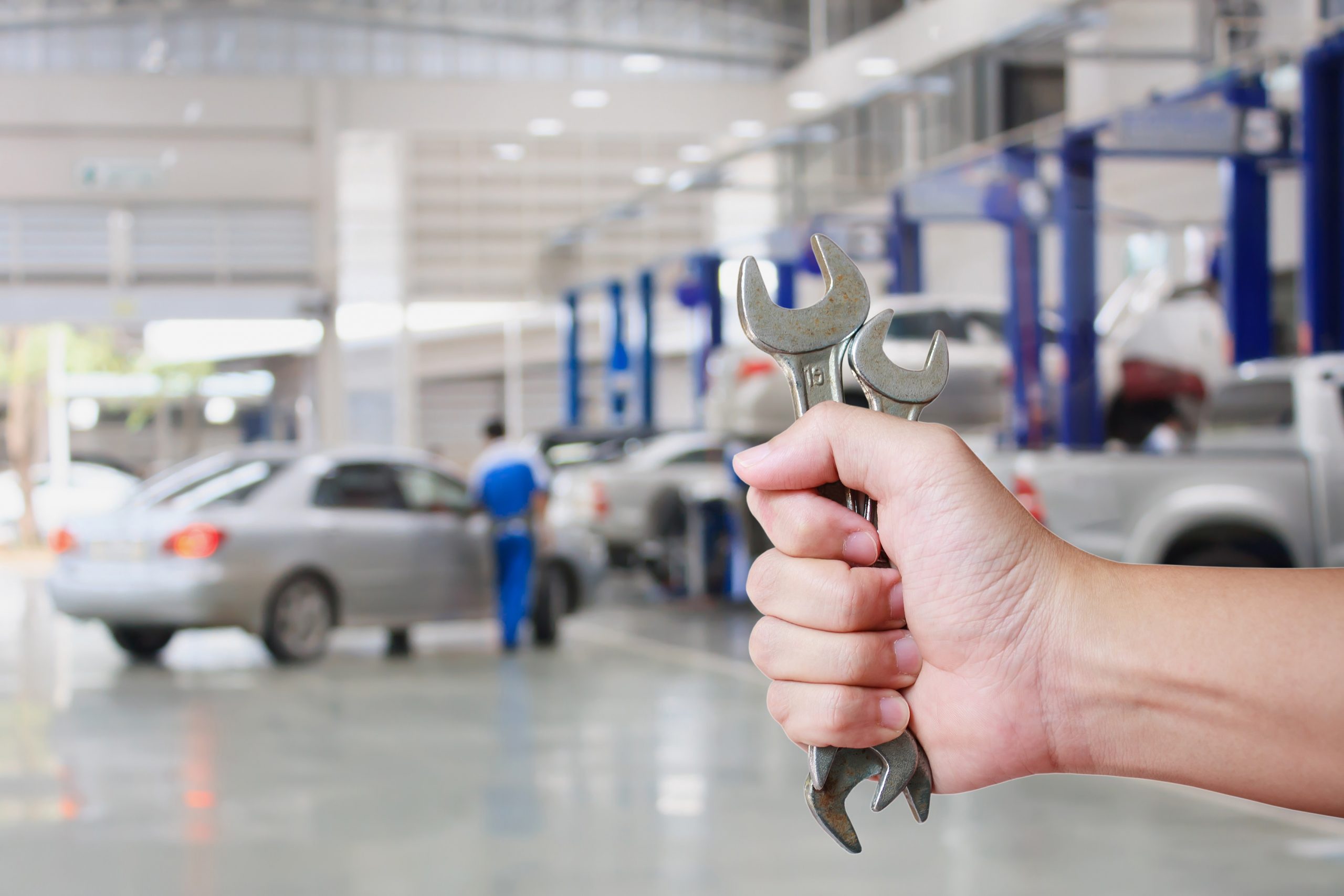
Workshop
Trusted Garage provides vehicle maintenance, diagnostics and repair. It is not an authorized dealer, official service center, or manufacturer-approved workshop, and it is not affiliated with any vehicle manufacturer.
Continue to the contact page with your name and the service you want to ask about. This site saves a request. It does not confirm an appointment.
How to use this website
Trusted Garage is a reading and request site for vehicle maintenance, diagnostics and repair services. The pages are organized as service categories. You can look through diagnostics, brakes, engine checks, suspension, steering, oil and filters, electrical systems, batteries, cooling, and wheels, then ask about a service for your vehicle. Nothing on the home page is a price, a repair time, or a promise that a fault has been found.
A useful visit has three steps. First, open Services and filter by the type you care about. The search box matches the words on the cards. Sorting changes the order of names. It does not rank services by cost, because cost is not shown. Second, open the service page or the service details page and read only what is written. Third, if you still have a question, use Contact, call +36 20 838 2111, or email [email protected]. The workshop is at Összekötő u. 1, 1173 Budapest, Hungary. The form keeps a copy in your browser and should open an email draft. Sending the draft is up to you. The page does not confirm an appointment.
What the categories mean
Vehicle diagnostics is the category for finding the area of a problem before repair work is discussed. Engine diagnostics focuses on how the engine is running. Brake service covers inspection and maintenance of the braking system. Suspension and steering cover those systems as separate topics. Oil and filter service, electrical diagnostics, battery checks, cooling system service, and tire and wheel service are maintenance and inspection categories. Preventive maintenance and vehicle inspection describe a general look at the car rather than a named repair.
Those labels can overlap. An electrical fault can show up during engine diagnostics. A cooling issue can appear as a warning light. The overlap is how workshop categories are usually discussed. Opening a card does not schedule the work.
What the photographs are
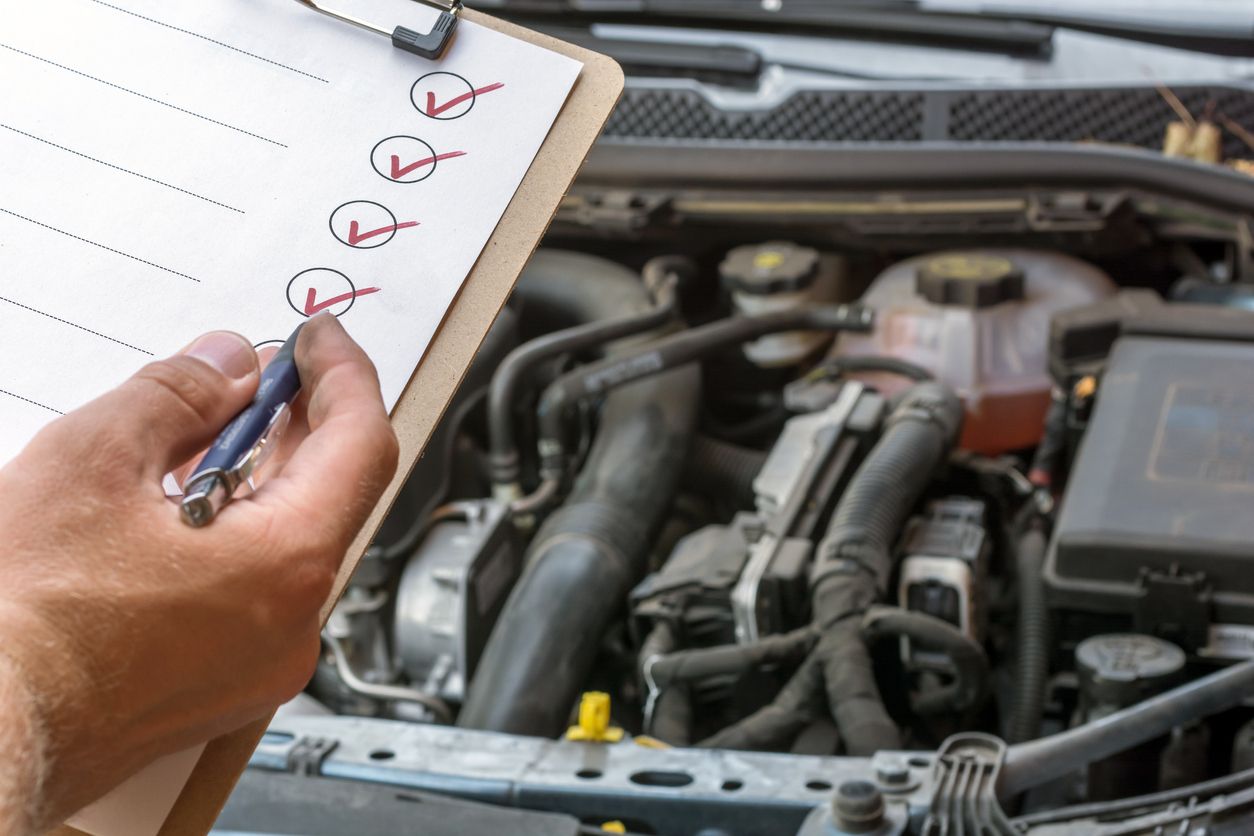
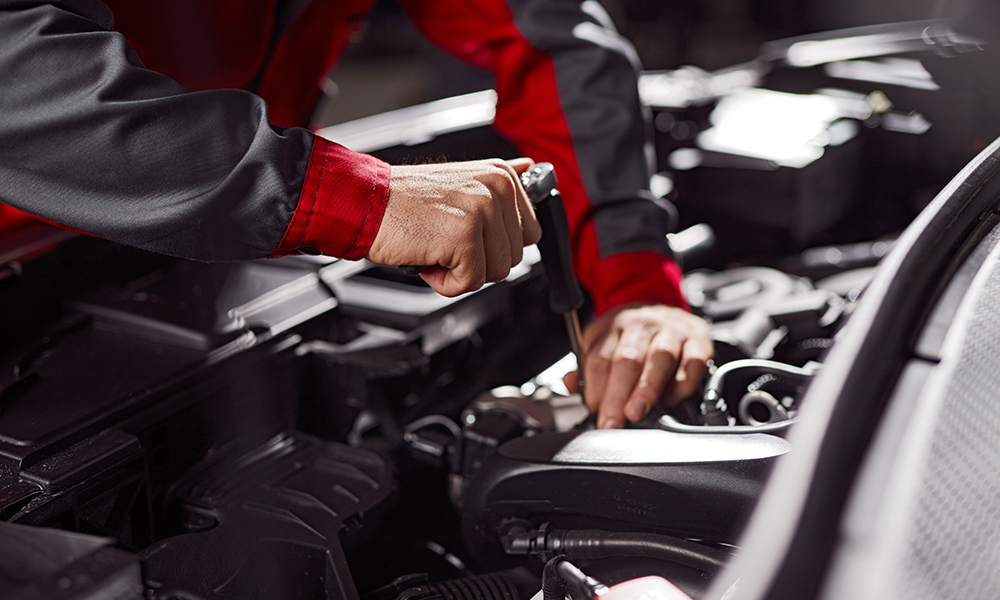
The pictures are workshop scenes: a service bay, an engine bay, a brake disc, suspension parts, tools, a dashboard, and related components. They show the kind of work this site describes. They are not photographs of a named Trusted Garage building, and they are not portraits of staff. Use them to understand the categories. Use the contact form when you need to ask about a particular vehicle.
What the site will not do
There is no cart, no currency, and no payment form. A button that says “View Service” or “Service Details” opens another page on this site. It does not purchase a repair. Car care notes discuss warning lights, brakes, oil, batteries, and seasonal checks in plain language. They are notes from this website, not a diagnosis and not a manufacturer service bulletin. Trusted Garage is not an official dealer service center for any vehicle manufacturer.
The legal pages spell that out: the disclaimer, the terms, the privacy policy, and the cookie policy. The scripts on the site do not set cookies. A request you submit can stay in local storage on your browser, and the pages request fonts from Google. That is described in the cookie policy.
How to ask a clear question
A clear request names the service, the vehicle make and model if you know them, the year if it helps, and the symptom or question in your own words. It does not need a card number. A vehicle identification number is not required. If you arrived from the short form on this page, your name, email, and service are carried to the contact page so you can add the message there. A preferred date, if you add one later, is a note. It is not a confirmed appointment unless someone later agrees to it outside this website.
You can also start from Car Care if you are reading about a symptom, or from Maintenance if you want a shorter path through preventive work, oil and filters, and inspection. Every public page uses the same footer and the same policy links.
A closer look at the workshop services
Trusted Garage describes vehicle maintenance, diagnostics and repair as separate topics so you can find the page that matches the question you actually have. A noise, a warning light, a fluid leak, a pull to one side, or a date on which you would like the car looked at are different kinds of information. The home page introduces the categories. The service pages explain what each category covers. The contact page is where you turn that reading into a request. The workshop address is Összekötő u. 1, 1173 Budapest, Hungary. The phone number is +36 20 838 2111. The email address is [email protected].
Reading the site first is useful because a service name is easy to mix up with a diagnosis. “Brake service” means inspection and maintenance of the braking system. It does not mean the site has already decided that the pads, the discs, the fluid, or the parking brake is the cause of a noise. “Engine diagnostics” means checks aimed at how the engine is running. It does not mean a part has been named. “Vehicle inspection” means a broader look. It does not mean a certificate, a pass, or a fail has been issued by this website. Those distinctions matter when you write a message, because the message should describe the car and the symptom, not assume a conclusion the pages never reached.
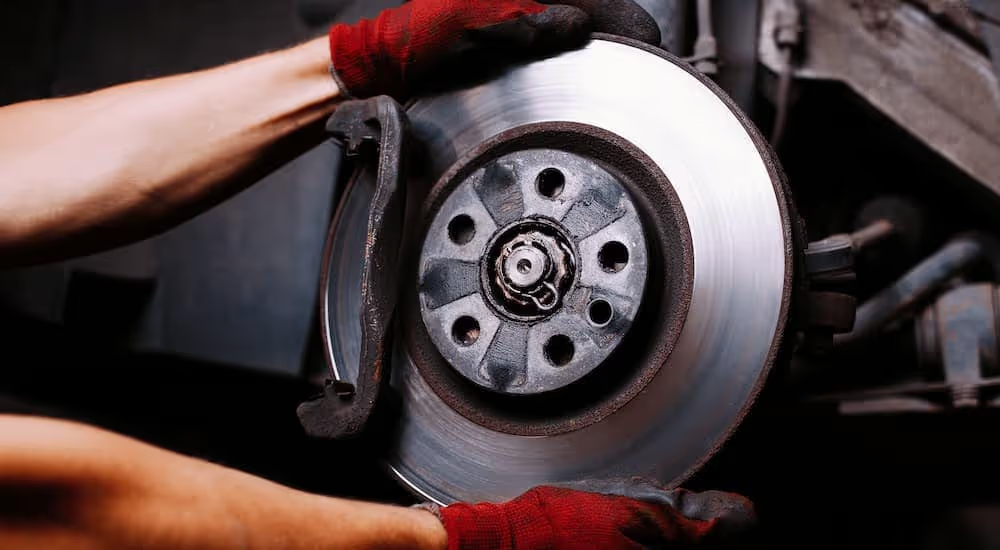
The photographs support that reading. A car on a lift, gloved hands at an engine, a brake disc, suspension components, a workbench of tools, a multimeter beside a battery, an oil filter, a dashboard with lights on, a radiator and hoses, a workshop interior, a wheel, a battery tester, and steering components are scenes of the kind of work the categories name. They are not a tour of a particular building and they are not pictures of named people. If you need the place, use the address. If you need a person to answer, use the phone or the email.
Diagnostics before a parts conversation
Many requests start with a light on the instrument panel or a change in how the car drives. A light is a signal that a system wants attention. It is not, by itself, the name of a part. The diagnostics pages explain that a check can include reading stored information, looking at the relevant area of the car, and comparing what you noticed on the road with what can be seen in the workshop. Engine running problems, electrical faults, battery condition, and cooling temperature are often discussed together because a driver experiences them as one event: the car warned me, or the car felt different.
A useful diagnostic request says what happened, when it happens, and whether it is constant or occasional. “The light came on after a short trip and stayed on” is more useful than “something is wrong with the engine.” “The car hesitates when I pull away, and it has done this for three days” is more useful than a guessed part name. You can add the make and model, and a year if you know it. You do not have to include a vehicle identification number. The form does not ask for one.
Diagnostics on this website is a category of service, not a remote diagnosis. Nothing you read here identifies the fault on your car. A later conversation, after the request, is where details of a particular vehicle can be discussed. The pages also do not publish a time for how long a check takes, because that depends on the car and on what is found, and those facts are not established on the site.
Brakes, steering, and suspension
Brakes, steering, and suspension are listed separately because they are different systems, even though a driver may notice them on the same journey. A vibration felt through the pedal is not the same observation as a vibration felt through the steering wheel, and neither is the same as a clunk over a bump. The brake service page is the place to read about inspection of the braking system. The service list includes suspension service and steering service as their own categories. Tire and wheel service is separate again, because a wheel can affect how the car feels without being a brake fault or a suspension fault.
When you write about brakes, describe the pedal, any noise, whether the car pulls, and whether a warning light is on. When you write about steering, describe the effort, any play, and whether the feeling changes with speed. When you write about suspension, describe the surface, the corner of the car if you know it, and whether the noise is a clunk, a squeak, or a continuous sound. Those notes help a workshop understand which category you are asking about. They are not a diagnosis.
The site does not publish a parts list for these systems and does not name a brand of pad, disc, damper, or fluid as the one that will be used. It does not state that a repair is guaranteed, and it does not state an official or manufacturer-approved status. Trusted Garage is not an authorized dealer, official service center, or manufacturer-approved workshop, and it is not affiliated with any vehicle manufacturer. Naming your car’s make in a form is still appropriate, because the question is about that car.
Maintenance that is planned rather than urgent
Some visits are not about a new symptom. Oil and filter service, preventive maintenance, and a general vehicle inspection are categories for planned care. The maintenance page and the car care notes explain the topics people usually ask about: oil, filters, fluids, brakes as a check, tires, the battery, and cooling. The site does not publish a mileage interval or a month interval, because the right interval depends on the vehicle and on how it is used, and that figure is not established here. If the information that came with your car states an interval, you can mention it in the message. Do not treat a blank on this website as a number you are allowed to invent.
A planned request can still be specific. You might ask about an oil and filter service for a named model, or about a general inspection before a long trip, or about a battery check because the car has been slow to start in the morning. A preferred date can go in the form. That date is a note about when you would like to be considered. It is not a confirmed appointment, and the page will not tell you that a bay is reserved.
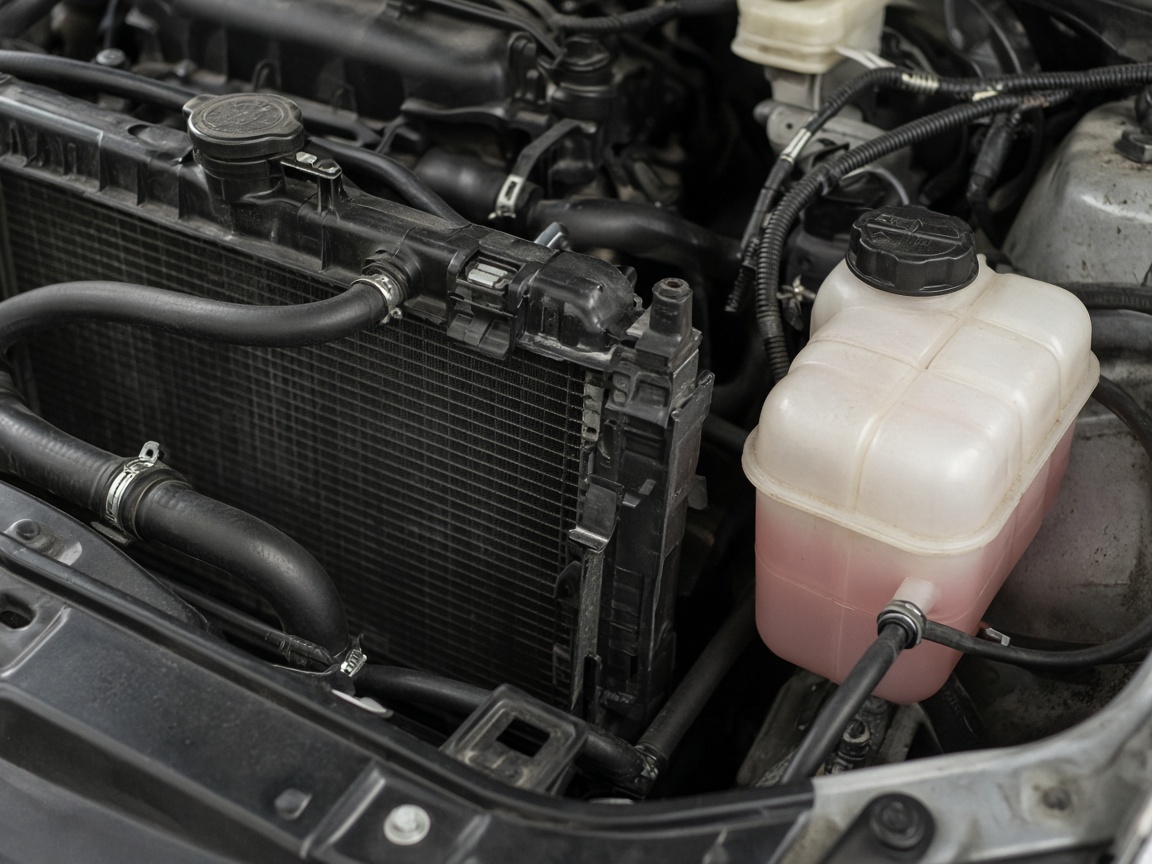
Seasonal questions belong in the same family. People ask about cooling before hot weather and about batteries and tires when temperatures change. The car care notes discuss those topics as general guidance for reading, not as instructions that replace a look at the actual car. A coolant reservoir, a tire, and a battery are different components. The photographs show examples of those areas. They do not show the condition of your vehicle.
Electrical systems and the battery
Electrical diagnostics and battery service are easy to confuse because both can begin with a car that will not start, a light that flickers, or an accessory that stops working. A battery check is about the battery and the charging picture around it. Electrical diagnostics is the wider category for wiring, controls, and faults that are not explained by the battery alone. The site lists both so you can choose the closer label, and you can explain the uncertainty in the message if you are not sure which label fits.
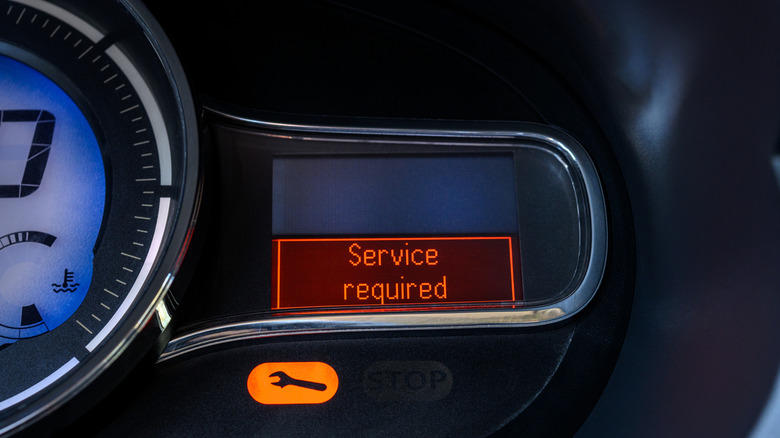
Describe what still works. Headlights, interior lights, the starter, the radio, and the windows are different circuits in the way a driver experiences them. “Nothing electrical works” and “only the windows are slow” lead a reader toward different questions. If a light on the dashboard is part of the story, name the light if you know its symbol, or describe the symbol. The dashboard photograph on the site shows warning indicators as an example of that kind of display. It is not a reading of your instrument panel.
Cooling, wheels, and the rest of the list
Cooling system service covers the radiator, hoses, the coolant reservoir, and the question of temperature. A request in this category might mention a temperature gauge that climbed, a smell, a visible leak under the car after parking, or a low level in the reservoir. Do not open a hot cooling system yourself based on a paragraph on a website. The page is there so you can ask the workshop about the service, not so you can carry out a repair from the text.
Tire and wheel service covers wheels and tires as their own topic: wear, damage, pressure as something to ask about, vibration that may be related to a wheel, and seasonal changes of tires if that is the job you want to discuss. The site does not publish a required pressure, a tread depth, or a brand. Those details belong to the vehicle and to a look at the actual tires.
The full list on the services page is the catalog. Search matches the words on the cards. The filter limits the list to one type. Sorting changes the order of names, from the featured order to alphabetical order, and it can group by category. None of those controls ranks a service by cost, because no cost is shown. There is no checkout and no total.
How a request leaves this browser
The short form on the home page collects a name, an email address, and a service, then continues to the contact page with those fields filled in when the browser allows it. The contact form and the service details form are the forms that save a request. On submit, the browser keeps a copy under the local storage key tg-inquiries, up to twenty recent requests, and it should open an email draft to [email protected]. The draft contains the fields you filled in. You send it from your own email program. If the draft does not open, you can still write to that address yourself, or call +36 20 838 2111.
Saving a request does not confirm that the message was delivered. Opening a draft does not send it. A preferred date does not reserve a time. The list of saved requests on the contact page and the service details page is a copy on that device so you can review what you wrote. Anyone who uses the same browser profile can see it. You can remove the copies with the button on those pages. Clearing site data in the browser removes them as well. The copy is not an account and it is not synced to another computer by this website.
Please do not put a card number, a password, or an identity document number in a message. The site does not take payment. It does not display a price. It does not ask you to create a password. The privacy policy explains the form in more detail, the cookie policy explains that the site’s own scripts do not set cookies, and the terms explain that a request is not an order.
What remains unpublished
Opening hours are not published, so the site does not invent a daily schedule. A legal registration number, a tax number, staff names, years in business, counts of vehicles, awards, ratings, and reviews are not published either. Manufacturer approvals and an authorized-dealer status are not claimed. If a sentence you hoped to find is missing, the accurate reading is that the fact is not stated here. Do not fill the gap with a number, a certificate, or a promise the pages do not make.
The practical path is short. Read the category that matches your question. Open service details if you want the form beside an explanation of the fields. Call, email, or submit the request with the vehicle and the symptom in plain sentences. Trusted Garage can then be asked about the service. This website, on its own, does not complete the repair and does not confirm the booking.
From the home page to a real question
The home page is a directory. It introduces diagnostics, brakes, maintenance, and the neighboring categories, then points to the catalog, the longer pages, and the contact form. Use it to choose a path, not to decide what is wrong with a car. A card is a label. A photograph is a workshop scene of that kind of work. The address, the phone, and the email are the facts you can act on: Összekötő u. 1, 1173 Budapest, Hungary, +36 20 838 2111, and [email protected].
If you already know the system, skip ahead. Brakes have their own page. Diagnostics have their own page. Planned care sits on the maintenance page and in the car care notes. If you only know a symptom, start with the catalog search and be ready for an empty grid when the symptom word is not written on a card. An empty grid means the word was not found. It does not mean the workshop cannot be asked. Clear the search and open the closest category, then describe the symptom in the message rather than hunting for a card that names a part.
The short form on the home page is only a bridge. It carries a name, an email address, and a service choice to the contact page. It does not save tg-inquiries and it does not open the email draft. The draft is created when you submit the contact form or the service details form. Until that button is pressed, and until you send the draft, the workshop has not been emailed by the site. Calling +36 20 838 2111 remains available the whole time. So does writing to [email protected] yourself.
Keep the limits in view while you browse. There is no price to compare, no hour to assume, no rating to trust, and no authorized-dealer badge to rely on. Trusted Garage is not an authorized dealer, official service center, or manufacturer-approved workshop. The useful outcome of a visit to the home page is a clearer question: which category, which vehicle, and what you noticed. That question belongs in the form, the email, or the call. The home page has finished its job when you can ask it without inventing a fact the page refused to print.
Leave the home page with a clear next step
Choose a category, then use the phone +36 20 838 2111, the email [email protected], the form, or the address Összekötő u. 1, 1173 Budapest, Hungary. Do not leave with a price, a booking, or a part name the home page never gave you. The next page in the path is there to be read. The home page is there to point at it.