Diagnostics
Vehicle Diagnostics
Explore diagnostic services designed to help identify potential mechanical or electrical issues. This page does not diagnose a specific vehicle.
DIAGNOSTICS
What this service covers
Vehicle diagnostics means inspection and testing aimed at finding the area of a problem. The category includes engine checks, electrical checks, warning-light questions, and a general look before repair work is discussed. It is a way to browse. It does not assign a fault code, a repair time, or a result to your car.
Request Service InformationWarning lights
A dashboard light is a reason to ask about diagnostics. The light itself is not a completed diagnosis.
Read the noteEngine checks
Engine diagnostics looks at how the engine is running when that is the question.
Engine diagnosticsElectrical checks
Electrical diagnostics covers wiring, charging, and related symptoms.
Electrical diagnosticsInspection
A vehicle inspection is a broader look when you do not yet have a single system in mind.
Maintenance services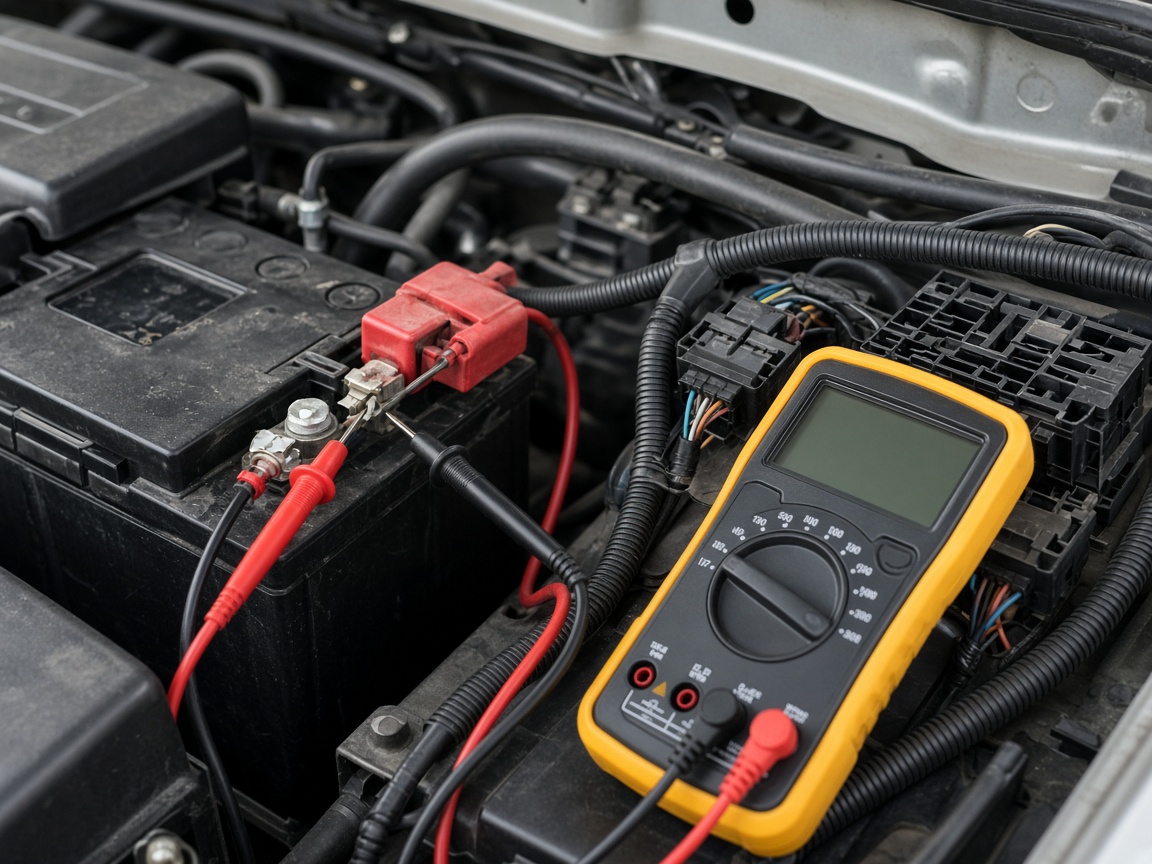
BEFORE A REPAIR
Information before a conclusion
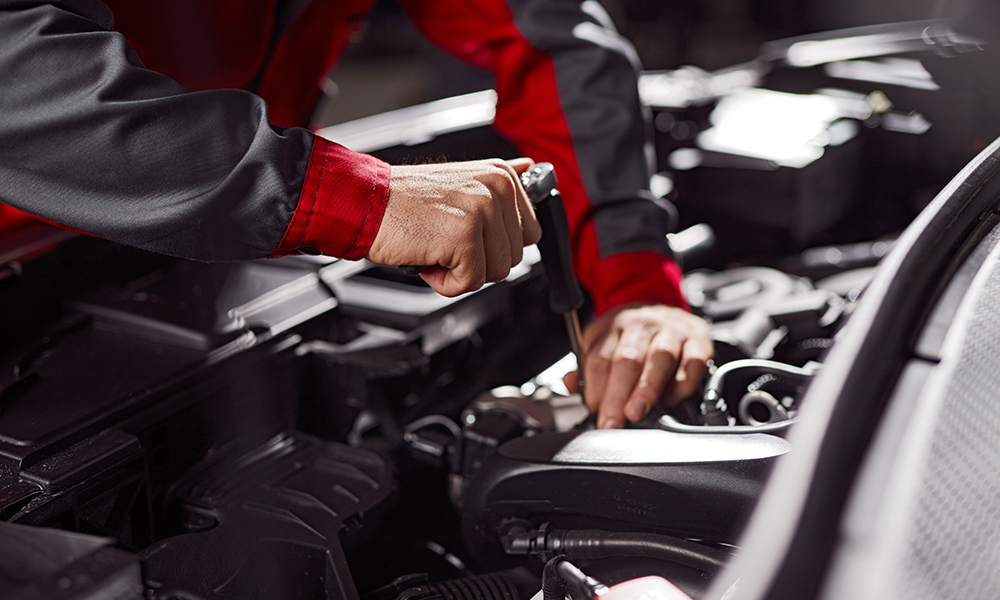
A diagnostic visit is a way to gather information. This page can tell you what kind of question fits the category. It cannot tell you the cause of a noise, a light, or a loss of power. Those answers depend on the vehicle in front of a technician. The photographs show an engine bay and electrical test equipment. They are examples of the work, not a report on your car.
Back to servicesWant details about diagnostics?
Open the service details form, name the vehicle, and describe the symptom. The request stays in this browser. It is not a confirmed appointment and it is not a diagnosis.
What vehicle diagnostics means here
Diagnostics is the category for identifying potential mechanical or electrical issues before anyone talks about a repair. People open it when a warning light is on, when the engine runs differently, when an electrical feature stops working, or when they want a general inspection. The page groups those reasons so you can tell this category apart from a named job such as brake service or an oil and filter service.
How to look, then how to ask
Read the related cards for engine, electrical, and inspection work if one of those is closer to your question. Then use Contact or Service Details. Useful details are the ones you know: the service name, the vehicle make and model, the year if you have it, and what you noticed. You do not need to guess a fault code. You do not need to send a vehicle identification number for this form.
A copy of the request is saved in the browser you are using, and your email app should open a draft to [email protected]. You can also call +36 20 838 2111. The workshop is at Összekötő u. 1, 1173 Budapest, Hungary. A reply is not created by the page. A later conversation is the place where a specific fact about a specific car can be discussed.
What a request can and cannot be
A saved request is a note. It is not an appointment confirmation, a repair order, or a statement that parts are available. This website does not display a price and does not take payment. Guides on warning lights and batteries are general notes if you want to read before you write. They do not replace an inspection of the vehicle you drive.
Trusted Garage provides vehicle maintenance, diagnostics and repair. It is not an authorized service center for any manufacturer. Mentioning a vehicle make in your message describes the car. It does not create a dealer relationship.
What vehicle diagnostics is for
Vehicle diagnostics means inspection and testing aimed at finding the area of a problem. It is the category you open when the car has changed and you do not yet have a tidy name for the change. A warning light, a new noise, a loss of power, a smell, a temperature that looks wrong, or a car that starts one day and not the next can all begin as a diagnostics question. The page explains the category. It does not inspect your car, and it does not name a failed part.
A diagnostic check, as this site uses the words, is a workshop activity. It can include looking at the relevant system, using test equipment where that is appropriate, and comparing your description with what can be observed. The website cannot perform that activity. There is no upload that reads a control unit, and there is no chat that watches the car. If you want the workshop to consider the question, call +36 20 838 2111, email [email protected], or send a request. The address is Összekötő u. 1, 1173 Budapest, Hungary.
Engine diagnostics is the related, narrower service. Use it when the question is specifically about how the engine runs. Use vehicle diagnostics when the question is wider, or when you are not sure. Electrical diagnostics, battery service, and cooling system service remain available as their own categories because a light or a no-start is not automatically an engine fault. You can say in the message that you are unsure which label is right.
Warning lights
A warning light is a request for attention from the car, expressed as a symbol. Different symbols point toward different systems. This page does not reproduce a full chart of every symbol, because the chart belongs to the vehicle and is not established here as a universal key. If you know the symbol, describe it: color, shape, and whether it flashes or stays on. If you do not know the name, a plain description is still better than a guessed repair.
Some lights are associated with the engine, some with brakes, some with the battery or charging, some with temperature, and some with other systems. The dashboard photograph on this site shows indicator lights as an example of that kind of display. It is not a reading taken from your car. Do not decide from a website paragraph that a light is harmless or urgent beyond the obvious need to treat brakes, steering, and overheating as subjects you should not ignore. If the car is unsafe to drive, that is a practical judgment at the roadside, not a conclusion printed here.
A light that comes and goes is still worth describing. Note whether it appears when the engine is cold, when the car is hot, at idle, or on the motorway. Note whether anything else changed at the same time: a noise, a smell, a loss of power, a rough idle. Those paired observations are the useful part of a diagnostics request. A part name added at the end does not make the note more accurate.
What a check can and cannot settle on this page
People often hope a diagnostics page will say which sensor, which coil, or which hose has failed. This page will not say that, because the failed part is a fact about a particular car after it has been looked at, and this page has not looked at any particular car. Stored fault information, if a workshop reads it later, is a clue. It is not always the final name of the repair. A light can be caused by more than one condition, and a condition can exist without the light you expected.
The page also does not publish a duration for a diagnostic check and does not publish a price. Both depend on the vehicle and on what the check involves, and neither figure is established here. Asking about the service is allowed. Expecting the paragraph to answer with a number is not how the page is written.
Trusted Garage is not an authorized dealer or an official manufacturer service center. A diagnostic question about a named make and model does not create an affiliation with that manufacturer. You should still name the make and model, because the question is otherwise incomplete. A year helps. A vehicle identification number is not required by the form.
How to write the request
Use the contact form or the service details form with the category set to vehicle diagnostics or engine diagnostics. In the message, write the symptom in the order you noticed it. Say what you were doing when it started. Say whether it happens every time. Say what you have already observed, such as a fluid level you can see without taking the car apart, or a light you can name. Leave out card numbers, passwords, and identity document numbers. There is no payment field, and a payment detail does not help a diagnostic question.
On submit, a copy is stored in this browser under tg-inquiries and an email draft to [email protected] should open. You send the draft. The page does not confirm delivery and does not confirm an appointment. A preferred date, if you add one, is only a note about timing. Opening hours are not listed, so the date does not imply that the workshop is open at a particular hour.
If you prefer to speak, call +36 20 838 2111. Have the same facts ready: make, model, symptom, and whether a light is on. The phone call is a conversation you start. This page does not place the call and does not record it. If you prefer to write without the form, email [email protected] directly. The form is a convenience that prepares the draft and keeps a local copy. It is not the only way to reach the workshop.
Related categories you might need instead
If the question is really about a soft brake pedal, a grind, or a pull under braking, read the brake service page. If the question is a clunk over bumps, read about suspension. If the steering feels wrong, use the steering category. If the car is slow to crank and the lights dim, battery service may be the closer label, with electrical diagnostics as the wider alternative. If the temperature gauge climbs or you see coolant where it should not be, use cooling system service and do not treat a website as a procedure for opening a hot system.
The car care notes are general reading about warning lights, batteries, oil, tires, and similar topics. They are not a diagnostic report. Use them to learn the vocabulary, then bring the actual car into the conversation through the contacts above. The services catalog is the map if you want to switch categories without losing the form.
Before you send a diagnostics request
Read the description once more and check that you are not asking the page to name a part. The page will not. Your message should still be specific: make, model, what changed, when it happens, and which lamps are on. Add whether the car still starts and whether the temperature or the brakes are part of the story. If they are, say so, even if the selected category stays on vehicle diagnostics. A single label plus an honest paragraph is better than three contradictory guesses.
Then choose how to send it. The form saves a copy in this browser and should open a draft to [email protected]. You send the draft. The phone number +36 20 838 2111 is there if you would rather speak. The address Összekötő u. 1, 1173 Budapest, Hungary, is there if you would rather go to the workshop. Opening hours are not on this page, so do not calculate them from the preferred-date field. A date in the form is a preference written in text. It does not reserve a bay, and the diagnostics page does not become a booking screen because the question is urgent. Urgency is something you can state in the message. The page still will not confirm that anyone has read it.
The request stays descriptive
When you write, keep the message as a description of the car and the symptom, then send it to [email protected], call +36 20 838 2111, or visit Összekötő u. 1, 1173 Budapest, Hungary. The diagnostics page will not add the missing part name, the missing price, or the missing appointment confirmation after you leave it.